

What Are the Leading Attractions to Witness in Abu Dhabi? - Explore a cultural Oasis in the desert
Abu Dhabi, the capital and the largest of the emirates in the United Arab Emirates, is a vibrant metropolis. The city has a rich cultural heritage and boasts stunning natural and man-made landscapes, such as beaches, deserts, oases, and modern, cutting-edge architecture. For those looking for things to do in this emirate, this list is all you will need.
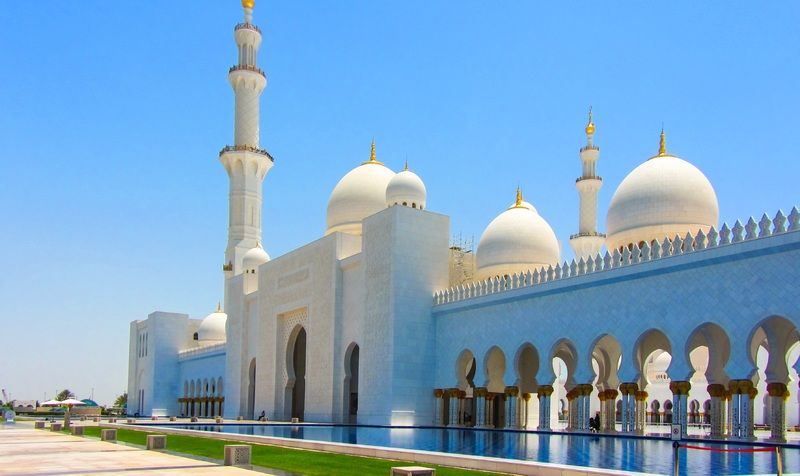
Photo by form PxHere
Sheikh Zayed Grand Mosque
The Sheikh Zayed Grand Mosque, the largest mosque in the UAE, was designed by Syrian-born architect Youssef Abdelké. He incorporated elements from Mughal, Persian, and Indo-Islamic architecture, and the result is truly breathtaking. The exterior of the mosque, including the impressive eighty-two domes, minarets, and walls, is made from flawless Macedonian (Sivec) and Greek marble, giving the mosque its dazzling, pure white appearance. The interior is adorned with Arabic calligraphy, Swarovski crystal chandeliers, and the world's largest hand-knotted carpet.
Louvre Abu Dhabi
For those interested in the arts, the Louvre Abu Dhabi is a leading attraction. This art and civilisation museum, the first of its kind in the Arab world, showcases works from ancient times to the contemporary era. The museum's architecture is as impressive as its exhibits, with a floating dome that creates a 'rain of light' effect, designed to mimic the palm trees of the region and inspired by the latticed Mashrabiya, an Arabian architectural element. The Louvre Abu Dhabi's diverse collection includes pieces from all over the world, just like its namesake in Paris.
Qasr Al Hosn
Qasr Al Hosn, also known as the White Fort, is one of the most iconic historical landmarks in Abu Dhabi. It was built in the 1760s as a residence for the royal family and is the oldest stone building in Abu Dhabi. Today, Qasr Al Hosn has undergone a partnership with the House of Artisans to become a museum that offers insights into the city's history, showcasing exhibitions that tell the story of Abu Dhabi's transformation from a pearling village to a modern metropolis.
Yas Island
Yas Island is another major attraction, especially for families and adrenaline junkies. The island is home to Ferrari World Abu Dhabi, the world's first Ferrari-branded theme park. The thrilling rides include the Scuderia Challenge, a 4D ride experience, Bell'Italia, a vintage Ferrari car ride, and possibly the most iconic, the Flying Aces rollercoaster, which mimics the flight of a biplane. This rollercoaster has broken multiple records, such as having the world's tallest inverted loop and the world's steepest and fastest cable lift. Yas Island also features Yas Waterworld, an expansive water park with over 40 rides and attractions, and the Warner Bros. Theme Park, which is organised into six themed lands: Gotham City, Metropolis, Cartoon Junction, Bedrock, Dynamite Gulch, and Warner Bros. Plaza. For a luxurious stay, the likes of Anantara Santorini Abu Dhabi Retreat offer a tranquil escape, blending world-class amenities with the serene beauty of the desert landscape.
Saadiyat Island
Saadiyat Island is the cultural gem of Abu Dhabi, offering both artistic and natural beauty. Visitors can explore the Manarat Al Saadiyat, a cultural centre that regularly hosts exhibitions and performances, or visit the Zayed National Museum, which celebrates the life of the UAE’s founding father. After soaking in the island's rich history, its pristine white-sand beaches provide the perfect setting to unwind. For culture seekers, this is one of the best things to do in Abu Dhabi, blending art, history, and nature in a stunning setting.
Al Ain
Al Ain is a UNESCO World Heritage Site and an important part of Abu Dhabi's history. This oasis used to be a refuge for Bedouin tribes that crossed the desert, mainly because the imposing Jebel Hafeet Mountain acted as a navigation point. The lands around the mountain are speckled with over 500 beehive-shaped burial sites, some dating back at least five millennia. The Al Ain Palace was built in 1937 as a home for the late Sheikh Zayed bin Sultan Al Nahyan and has now been restored into a museum and fort.